April 9, 2026 · Updated
What You Eat in San Blas: Guna Food Culture Explained
Guna cooking rests on what the comarca grows and catches: plantains, the main staple crop, grown on mainland plots; fish caught that day; coconut; and rice, sugar and other goods brought in by trade boats. Visitors eat a simple version of it — fish, rice and plantain — and the menu changes with the season: lobster is off between 1 March and 30 June.
What the Guna eat at home
The islands are small and crowded, so most food is not grown on them. Families farm plots on the mainland coast, a short paddle away by ulu, the dugout canoe you will see tied up at every community dock. The Encyclopedia of World Cultures lists plantains as the primary subsistence crop, alongside rice, maize, yuca, sugarcane, coconuts, hot peppers and fruit such as mangoes, pineapples and citrus. Fishing supplements that harvest, and trade boats bring in what the comarca does not produce — rice, sugar and cocoa among them — paid for with coconuts or cash.
Food also follows family structure. Guna households are matrilocal: a husband lives with his wife’s family, and the fish or produce he brings home goes to his mother-in-law, who distributes it. Women are in charge of preparing and preserving food and of hauling water. So when you eat a meal cooked by a Guna family, you are eating from a household economy that runs on rules older than tourism.
The ingredients, one by one
| Ingredient | Where it comes from | How you will meet it |
|---|---|---|
| Plantain | Mainland family plots | Fried, boiled or mashed, with almost every meal |
| Fish | Caught locally, usually that day | Fried whole or cooked in a stew |
| Coconut | Family-owned groves on the coast and cays | Coconut rice, and fresh coconut water to drink |
| Rice | Bought, arrives by boat | Plain or cooked in coconut milk |
| Yuca and other roots | Mainland plots | Boiled, as a side |
| Lobster, crab, octopus | Caught by local divers | A seasonal extra, never guaranteed |
| Fruit | Mainland plots | Depends entirely on the season |
What is on a given plate depends on the day’s catch and on what came over from the mainland. That is not an excuse; it is how a kitchen without a supermarket works.
What you eat on each kind of trip
The trip you choose decides how much of this you actually taste.
| Trip | Meals included | What to expect |
|---|---|---|
| Day trip | One lunch on an island | Fish or chicken, rice and plantain, with a drink |
| Overnight stay | Lunch, dinner and breakfast | Cooked by the host family at set times, with dinner the fullest meal |
| Multi-day sailing trip | Meals on board | Cooked by the boat’s crew; varies entirely by boat |
A day trip is about the islands, and lunch is one simple, filling plate; the classic day tour page lists what is included. An overnight stay is where food becomes part of the experience: you eat three meals cooked by the Guna family whose island you are sleeping on, and dinner is the meal people remember. Our overnight stays guide explains the rhythm of the two days, and the comparison of day tours and overnights helps you choose. On a sailing trip the crew cooks; ask the captain what is planned before you book, because there is no standard.
Lobster, crab and the closed seasons
Lobster in Guna Yala is caught by divers without tanks — scuba equipment is not permitted in the comarca except for authorised research — and it has a calendar. According to Mi Diario, the Guna set their own closed season in 2000, from 1 March to 31 May, and Panama’s national closure, from 1 March to 30 June, has applied since 2006.
The practical rule is simple: do not order or buy lobster between 1 March and 30 June. Outside those months it depends on what the divers bring in, it is never a standard inclusion, and it is paid for separately in cash when it is available. Crab and octopus work the same way: catch first, menu second.
Coconuts: food, income and someone’s property
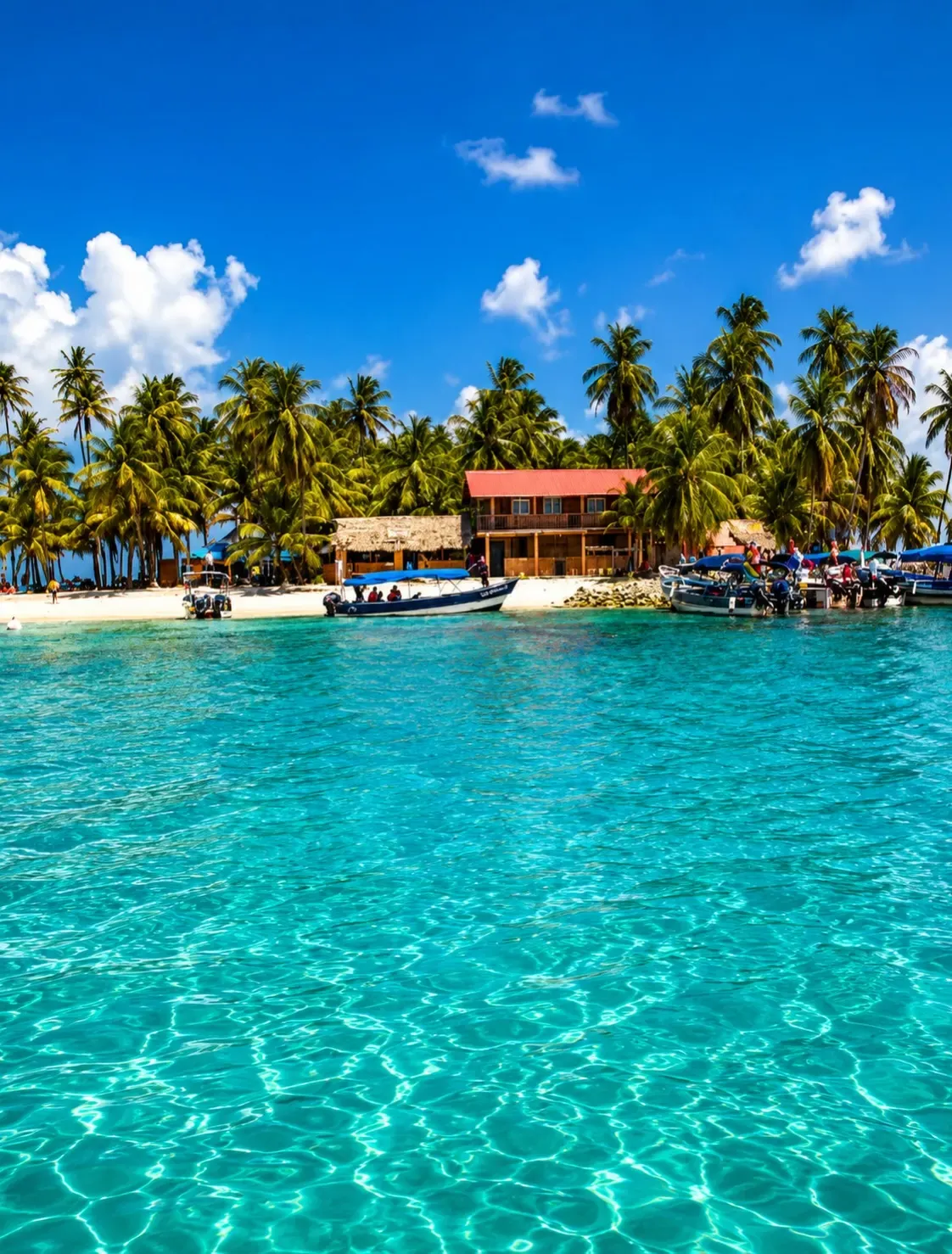
Coconut water straight from the shell is one of the simple pleasures of a San Blas day, but the coconut is not free fruit. Every grove belongs to a person or a family, even on a cay where nobody lives, and coconuts have been traded with Colombian boats since the late nineteenth century. If you want one, ask whoever looks after the island and buy it. Do not pick up the ones on the sand or climb the palms.
Drinks and water
Drinks beyond what a tour includes are bought on the island, in cash: there are no ATMs or card terminals anywhere in the comarca, so read how much cash to bring. Do not count on refilling a water bottle on a small cay; bring the water you will need for the day, in a reusable bottle, and take empty containers back with you.
Vegetarian, vegan and allergies
Kitchens cook one meal for everyone, not à la carte. If you do not eat fish, the usual alternative is chicken or a larger serving of rice, plantain and salad, arranged in advance. For overnight guests, Isla Franklin is known for genuinely vegan cooking. Whatever your requirement, state it when you book, not at the table, and bring your own snacks if an allergy is serious: the nearest shop is hours away.
Frequently asked questions
What is traditional Guna food?
It is built on plantains, the main staple crop, together with fish, coconut, rice, yuca and seasonal fruit. Crops come from family plots on the mainland and rice and sugar arrive by trade boat, so most meals combine a starch, fish and coconut.
Are meals included on San Blas tours?
A day trip includes one lunch on an island. An overnight stay includes lunch, dinner and breakfast cooked by the host family. Drinks and extras such as lobster are paid separately, in cash.
When can I eat lobster in San Blas?
Not between 1 March and 30 June, when the Guna and national closed seasons apply. From July to February it depends on the day’s catch and is always an extra, never a guaranteed part of the meal.
Is there vegetarian or vegan food in San Blas?
Options are limited because cooking is built around fish. Tell the operator when you book so an alternative can be planned; for overnight stays, Isla Franklin is known for real vegan meals.
Can I pick a coconut on the islands?
No. Every coconut palm in Guna Yala belongs to a person or family, even on uninhabited cays, and coconuts are part of their income. Ask and buy one instead.
Ready to see it for yourself?
Message us on WhatsApp — a real person helps you plan, no contact form.
Book Now