The People Behind the Postcard
Guna Yala
"San Blas" is the name most travelers search for — but it's not what the people who live here call it. This is Guna Yala: an autonomous, self-governed indigenous territory, home to the Guna people, spread across more than 365 islands on Panama's Caribbean coast. Understanding that changes what a visit here actually is.
Who are the Guna?
The Guna are one of Panama's largest indigenous groups, and one of the few in the Americas to have won formal, lasting political autonomy over their own territory. They govern Guna Yala through their own structures — a Guna General Congress, internal law, and control over land use and tourism — separate from the rest of Panama's provincial administration. Read the full story in ourcomplete guide to Guna Yala's geography and governance.
A revolution that won autonomy
That self-governance isn't ceremonial — it was fought for. On February 25, 1925, Guna leaders rose up against Panamanian authorities who had been suppressing Guna dress, ceremony, and political structure in the islands. The short, decisive revolt led to a negotiated agreement — mediated with U.S. involvement — that formally recognized Guna authority over their land. That agreement is the direct reason Guna Yala exists as an autonomous comarca today. The full account is in ourhistory of the 1925 Guna Revolution.
Island life and community
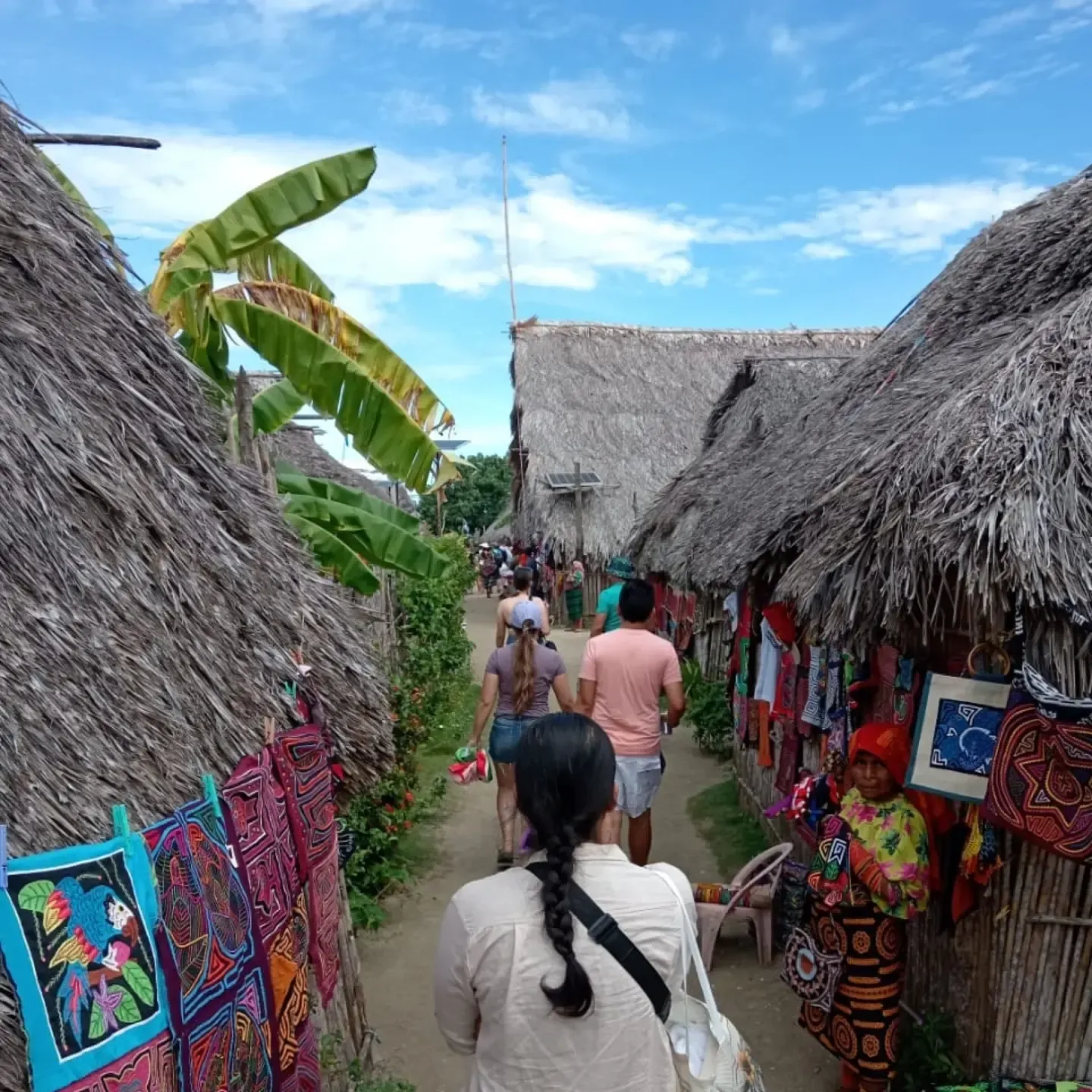
Of the 365+ islands and cays in Guna Yala, only about 50 are inhabited (49 communities, per the Guna General Congress) — small, densely built Guna communities living alongside the water they fish. El Porvenir serves as the administrative capital, home to the region's governing offices and main airstrip.Nugnudub is a smaller, quieter community island, further from the busiest tourist routes, where day-to-day Guna life continues largely undisturbed by tourism. Visiting one of these inhabited islands — not just the uninhabited postcard cays — is the difference between seeing San Blas and actually meeting Guna Yala.
Molas: cultural tradition, not souvenirs
The intricate, hand-stitched textile panels called molas are a living Guna art form, traditionally made and worn by Guna women as part of everyday dress — not manufactured for tourists. When you buy a mola directly from the woman who made it, you're supporting a real cultural tradition, not a souvenir industry. Our Guna culture guide covers this and other etiquette worth knowing before you visit.
How tourism actually works here
Guna Yala has avoided the large-resort development that reshaped much of the Caribbean — not by accident, but because Guna autonomy means outside companies can't simply buy and develop the land. Every cabin, every guide, and every tour operating here is Guna-owned by design. The community entry tax you pay on arrival goes directly to the comarca, not a generic tourism board. See exactly how that works in our eco-tourism guide.
Ready to meet Guna Yala in person?
Message us on WhatsApp — a real person helps you plan a tour that's genuinely Guna-operated.
Book Now